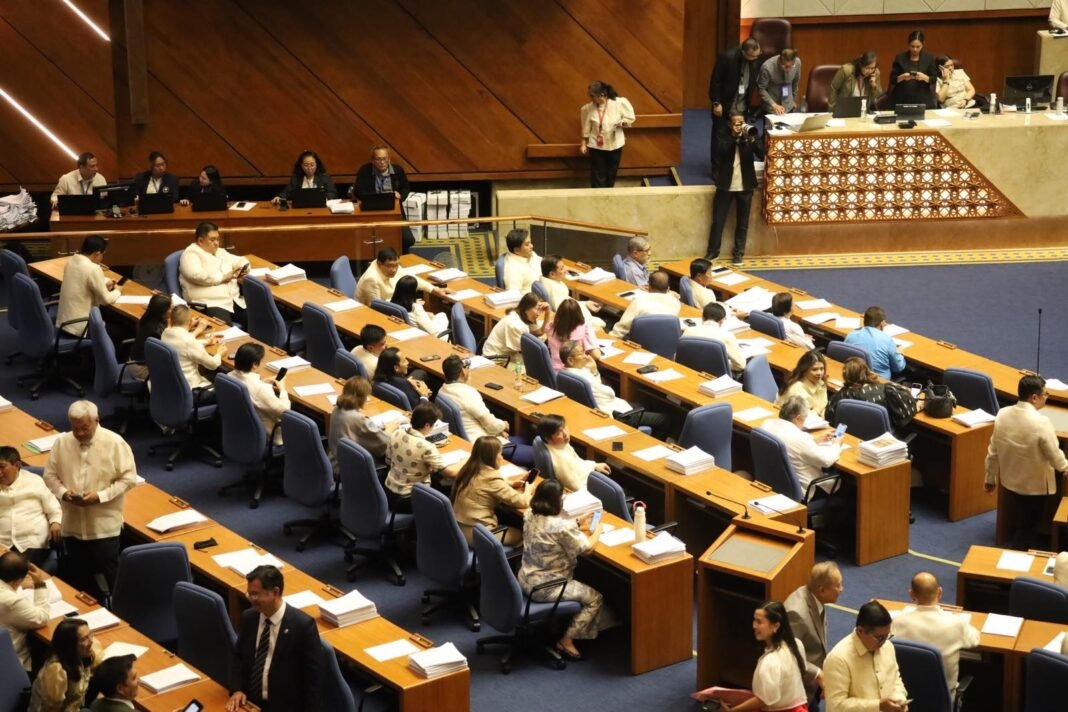

In a major step toward streamlining government services, the House of Representatives has approved House Bill No. 8876 on second reading. The measure, which passed via voice vote on Wednesday, seeks to extend the validity of Professional Regulation Commission (PRC) identification cards from the current three years to five years. This reform is designed to provide long-term relief for millions of Filipino professionals—including teachers, nurses, and engineers—by reducing the frequency of renewal cycles and the associated bureaucratic hurdles.
Prioritizing the Well-being of the Filipino Workforce
The extension addresses a persistent challenge for the country’s licensed specialists, who currently navigate a renewal process every three years that often involves scheduling conflicts and out-of-pocket costs. By moving to a five-year validity period, the bill allows professionals to dedicate more time to their respective fields rather than administrative requirements.
Principal Author and Representative Ferdinand Martin G. Romualdez highlighted the socio-economic impact of the change, stating that it is essential to ease the financial and logistical burdens on workers. “Sa panahon ngayon, mahalaga na mapagaan natin ang gastos at abala ng ating mga propesyonal. Sa pagpapalawig ng validity ng PRC IDs mula tatlo tungo sa limang taon, mas mabibigyan natin sila ng panahon para mag-focus sa kanilang trabaho, kabuhayan, at serbisyo sa bayan,” Romualdez said.
Efficiency Through Modernization
A key component of the bill is the mandate for the PRC’s Information and Communication Technology Service to complete comprehensive upgrades to the Licensure Examination Registration Information System (LERIS) within six months of the law’s effectivity. This modernization is intended to support the new validity cycle with a faster, more reliable digital infrastructure.
House Majority Leader Ferdinand Alexander “Sandro” Marcos emphasized that the reform is a practical solution to modernize public service. “Professionals should not have to spend unnecessary time and money on frequent renewals when we can provide a more efficient system without compromising professional standards and regulation,” Marcos stated. He further noted that the bill would help decongest the PRC appointment system by significantly reducing the volume of annual renewal transactions, adding that this is a “practical and people-centered reform that will make government services faster, more efficient, and more convenient.”
A Strategic Investment in National Productivity
The measure aligns with broader efforts to reduce red tape and make government services more accessible. By treating professionals—the pillars of the national economy—with greater consideration for their time and resources, the bill seeks to foster a more productive and supported workforce. Proponents believe that simplifying these regulatory requirements is a concrete step toward more humane and efficient government service, ensuring that the country’s licensed experts can focus on their vital contributions to national development.